Nationwide Status
Understand what national coverage information means and how to confirm current local service availability.
Understand how 2-1-1 helps people find local information about essential needs, health, housing, family services, and support during difficult times.
Understand what national coverage information means and how to confirm current local service availability.
Explore how coordinated referrals help residents and community service organizations.
Learn about local referrals, privacy, free access, and assistance during disasters.
Learn about the role of community information networks after Hurricane Sandy.
Read an overview of past studies on coverage, crisis response and referral systems.
Learn how community information and referral works and where to find help today.
Explore evidence-informed articles on the history of 2-1-1, data standards, disaster response and service networks.
Browse 24 community guides, research summaries, and disaster resources.
Local organizations often need more than a donation button to bring supporters together. A community game night can create a welcoming setting…
A deck of cards is a simple object, yet a regular game can give people a reason to meet, talk and share…
Walk into almost any parish hall or veterans’ post on a Thursday evening and you can guess what you’ll find. Folding tables…
Emergency readiness is often presented as a list of supplies, phone numbers, and evacuation routes. Those tools are essential, but a plan…
Finding a local service can be harder than discovering that a program exists. A person who needs food support, housing assistance or…
Information-and-referral systems connect callers with practical support, but they have also been studied as potential partners in public health outreach. This guide…
News accounts after the 2005 hurricane season drew attention to the need for a simple route to non-emergency assistance. This article examines…
Historical 2-1-1 fact sheets helped explain a simple idea: one short number could connect people with local programs. This article outlines what…
A 2009 report on Aloha United Way’s 2-1-1 program is part of the historical evidence on how referral services were evaluated. Rather…
Policy discussions around 2010 considered how 2-1-1 could reach more people and support communities during emergencies. A Senate leave-behind document referenced at…
Caller information can help a referral specialist respond to someone in need, but it also carries responsibilities. This article explores why early…
A community referral directory is only as useful as the records behind it. Historical AIRS references to a resource-data schema and style…
A 2012 AIRS conference presentation described a proposed 2-1-1 Disaster Data Management System (DDMS). This guide explains the operational questions raised by…
Call records can show which essential needs are repeatedly difficult to meet. The national 2-1-1 problem-and-needs reporting effort around 2009 illustrates how…
The national expansion of 2-1-1 required more than assigning a short telephone number. This guide examines the policy, partnerships and operational capabilities…
When a hurricane ends, the need for reliable information often continues for months. This article explores the roles of 2-1-1 following the…
The 2007 Southern California wildfires showed why an information-and-referral telephone network can matter alongside emergency responders. This guide examines how people sought…
Today, 2-1-1 is widely recognized as a way to seek community information and referrals in the United States. But the network developed…
Finding the right kind of local assistance can be difficult even when many programs exist. A person may not know the name…
A disaster communication system must answer different kinds of questions. Emergency dispatch handles life-threatening situations; weather and emergency management agencies issue warnings…
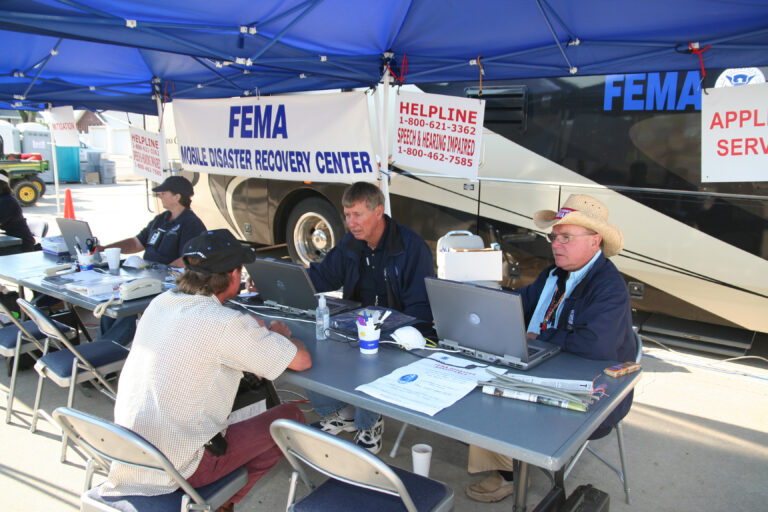
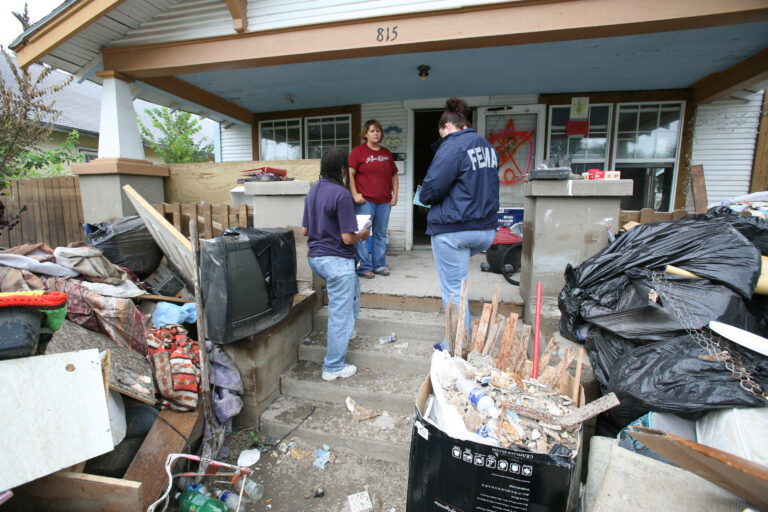
When a hurricane makes landfall or a river rises, people need more than a forecast. They need to know where to find…
Community support is rarely a single program. It is often a collection of services, each with its own eligibility requirements, contact methods,…
When a disaster damages homes or disrupts local services, residents need more than emergency warnings. They also need dependable information about recovery…
People often need assistance before they know which organization can provide it. Information and referral services offer a practical way to turn…