From Traditional Games to Interactive Digital Entertainment
Many popular digital games draw on activities that existed long before smartphones or the internet. Players still match symbols, plan a move, take turns, test memory, or work with teammates. What changed is the medium: a deck of cards can become an animated interface, a physical puzzle can become a touch-screen challenge, and a game night can connect people in different locations.
Looking at the transition from traditional games to interactive digital entertainment helps explain both the appeal of modern play and the questions that come with it.
Familiar game rules form a bridge
Traditional recreational games use a wide range of structures. A crossword invites word recognition, a board game depends on shared rules, and a card game combines the visible information on the table with decisions about what to do next. These rules can often be represented in software without requiring players to abandon what they already know.
Digital versions can handle shuffling, scoring, timers, and reminders automatically. New players may receive guidance that would otherwise come from a friend or instructor. A digital design can also explain a rule through a short animation rather than a long manual.
But something is lost as well. Shared physical space provides conversation, gestures, and social cues. A digital version may make remote play possible while changing the way people relate to one another. Comparing both formats is more useful than declaring either one inherently superior.
Early game hardware and the move to home screens
Electronic entertainment developed across arcade machines, dedicated home systems, personal computers, handheld devices, and eventually mobile phones. It was not a single jump from board games to browser games. Different generations of technology offered new input methods, displays, and opportunities to play.
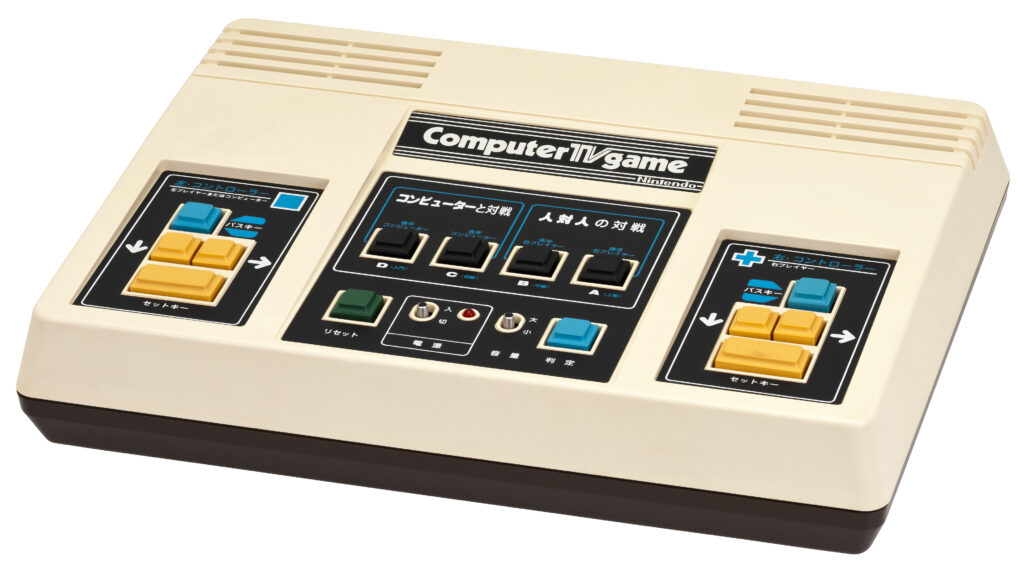
Photographs of early home consoles help illustrate how much the hardware has changed. A dedicated system might have offered only a narrow selection of games; modern devices can host many genres, frequent updates, and online connections. Yet an older game based on turns and recognizable patterns may still feel familiar to someone encountering its modern counterpart.
The point of this history is not to attach every digital format to a particular old game. It is to notice the continuity of common mechanics—rules, goals, uncertainty, skill, and social participation—across different technology.
What software changes beyond the appearance
Interactive screens offer features that paper and physical boards do not: automatic difficulty adjustments, instructional prompts, accessibility settings, remote cooperation, and quick resets after a mistake. They can also track progress over many sessions or let a person resume a game later.
These features may lower entry barriers, but they create new responsibilities. A service may require an account, collect usage information, connect players with strangers, or encourage purchases. Players benefit from knowing how those systems work before sharing information or spending money.
Our article about digital tools and community information services discusses related questions about usability, data accuracy, and accessibility in a public-service setting.
Chance, skill, and the meaning of different game formats
Not every game uses the same balance of choice and uncertainty. Some rely mainly on learned strategies, some use randomly drawn cards or generated events, and others combine both. The presence of chance does not automatically mean a game is gambling. The legal and practical differences depend on elements such as money staked, prizes of value, and applicable rules.
For example, digital versions of card-based games may simply reproduce family entertainment or provide a computer opponent for practice. Other apps may offer virtual prizes, paid random rewards, or entirely different commercial arrangements. These should not be treated as interchangeable experiences.
The Entertainment Software Rating Board distinguishes simulated gambling content from products involving real-money gambling and provides disclosures for some in-game purchasing features. Players can use those distinctions to make more informed choices.
Why community game nights still matter
Community recreation is not only about the game itself. It can offer a predictable time to meet neighbors, learn something new, or take part in an activity without pressure. Familiar physical games can be an accessible starting point for groups that want to experiment with digital options.
One approach is a hybrid activity: begin with a traditional board or card game, then compare its digital version on a shared screen. Participants can discuss which is easier to understand, what happens when the software handles the rules, and whether the new format changes the social experience.
Read community card games and social connection and charity bingo and game-night fundraising for examples of group activities where the people matter as much as the rules.
Accessibility and digital literacy belong in the conversation
Not all community members have the same devices, internet connections, or experience with online accounts. Digital game demonstrations should be optional, with clear instructions, accessible controls where possible, and a way to participate offline. Public libraries often support digital literacy and can help people evaluate online content, accounts, and purchases.
For organizers, the objective should be participation rather than promoting a platform. A well-planned activity gives people a chance to compare formats and decide which they enjoy.
Old and new play can coexist
Traditional games continue because shared rules and human connection remain appealing. Digital entertainment continues to change because software offers new tools for instruction, accessibility, and remote participation. These are complementary developments rather than a forced replacement.
For more on the transition between familiar activities and screen-based formats, see community bingo to modern digital games, or return to the 2-1-1 US homepage.