Community Card Games and Their Role in Social Connection
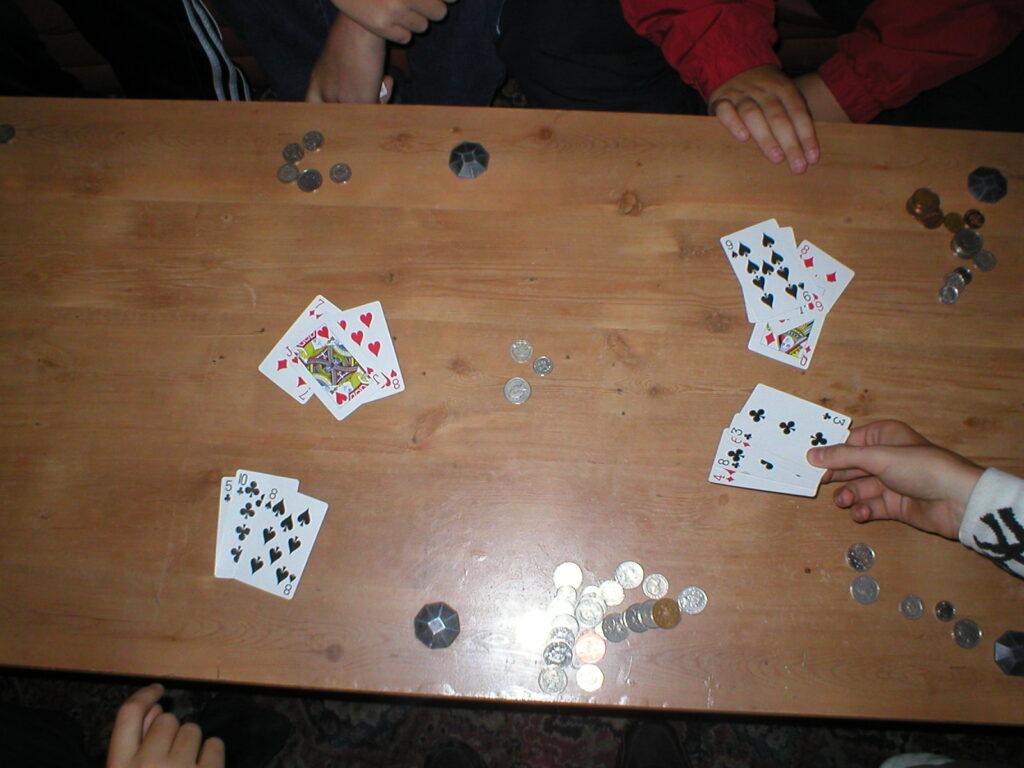
A deck of cards is a simple object, yet a regular game can give people a reason to meet, talk and share a routine. In community centers, libraries and senior programs, social games can complement meals, classes, exercise groups and other activities. Their contribution is primarily social: a familiar shared activity may make joining a group less intimidating, especially for someone who has recently moved or wants more opportunities to connect.
Why Familiar Games Work in Community Spaces
A traditional game offers a repeatable activity with a clear beginning and ending. Participants can join for a short period, learn by watching, and enjoy conversation while playing. The atmosphere matters more than competition. A welcoming group explains the rules, makes room for newcomers and allows breaks without embarrassment.
The U.S. National Institute on Aging lists playing cards and other games with friends—both in person and online—as examples of activities older adults might enjoy. That does not mean one card game is a medical treatment. It means shared recreation can be part of a broader pattern of staying socially engaged.
Choosing Games That Encourage Participation
Community organizers may consider easy-to-learn matching, trick-taking or cooperative card activities where the emphasis is participation rather than stakes. Some participants prefer familiar regional traditions; others enjoy learning something new. The program should avoid pressuring anyone to wager money or disclose private circumstances.
- Offer a printed rule sheet in readable type.
- Let players observe a round before joining.
- Keep sessions flexible for mobility, hearing, vision and concentration needs.
- Select activities that can be played without money or prizes.
- Create an option to socialize without joining every game.
The phrase traditional card games can refer to many different social formats. The best choice is the one that matches the group’s interests and abilities, not the one with the most complicated rules.
Reducing Barriers for Older Adults and New Participants
A community center can make a game night more accessible through large-print cards, good lighting, quiet seating and a clear timetable. Staff or volunteers can introduce newcomers and explain where transportation and accessible facilities are available. Those practical details may determine whether someone returns.
AARP research describes game play among older adults as a setting for social interaction and recreation. Community programs should still avoid promising specific health outcomes for any single activity. Relationships, choice and continuity are the more defensible reasons to offer regular sessions.
Connecting Recreation With Community Information
Recreation programs are only one type of local support. Residents may also need caregiver assistance, meal programs, transportation or general social services. The local resource navigation guide explains why accurate listings can help people find programs that fit their circumstances.
A center can keep a short list of verified community referrals at reception without asking volunteers to become professional caseworkers. A visitor seeking assistance should receive a clear path to the relevant provider or local 211 resource.
What This Means for Local Communities
Social card games have value when they make participation easy, enjoyable and respectful. Thoughtful scheduling, accessible materials and welcoming volunteers can turn a small recurring activity into a dependable opportunity for neighbors to connect.
For local assistance in the United States, check your current community referral options through United Way 211. In emergencies, contact the appropriate emergency service rather than relying on an informational website.
Return to the 2-1-1 US community information homepage for more guides about public resources and local services.
Sources and Further Reading
- National Institute on Aging — Participating in Activities You Enjoy
- AARP — Game Play Builds Bonds Among Older Adults
- United Way 211 — About Us
Featured photograph: Table game of cards (bird’s-eye view) by Esteffect, dedicated to the public domain by the creator.