From Community Bingo to Modern Digital Games
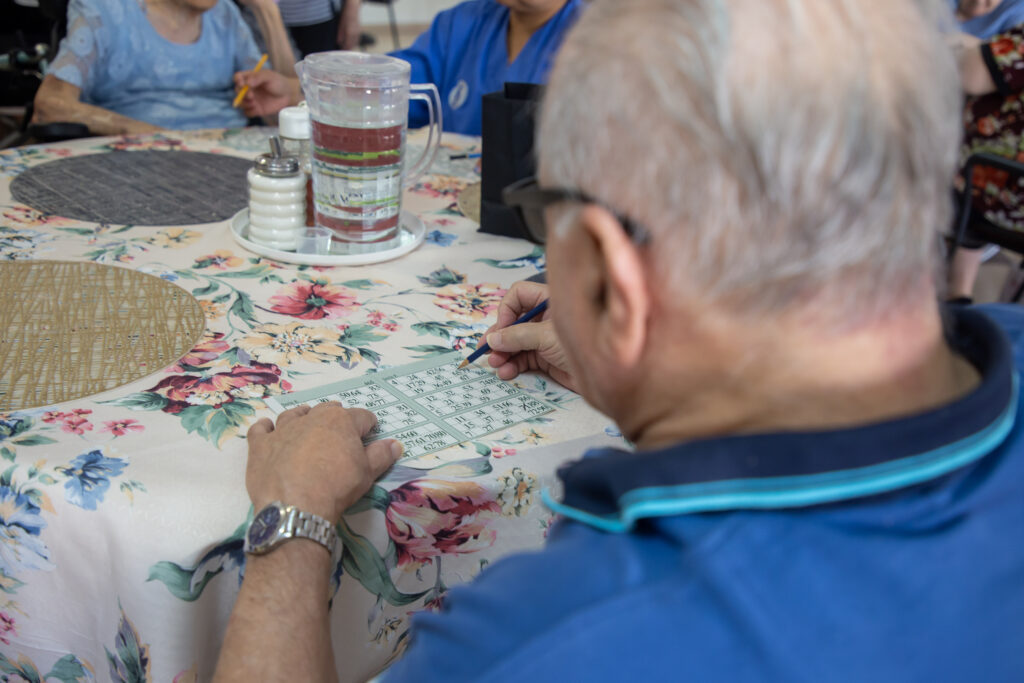
Walk into almost any parish hall or veterans’ post on a Thursday evening and you can guess what you’ll find. Folding tables in long rows. A coffee urn by the door. A volunteer at the front with a microphone and a cage of numbered balls. Somebody near the back who has played every week for twenty years and keeps six cards going at once without breaking a sweat.
Bingo has stuck around because it’s so easy to explain. You listen for a number, you mark a square, and you shout when you’ve got a line. A first-timer can learn it in two minutes. That simplicity has made it a fixture at social gatherings for generations, and it’s a big reason the game travelled so smoothly from paper cards to screens.
Community recreation looks different now. There are online quizzes, video-call game nights and group games run on a shared screen at the library. Many of these are wonderful for people who can’t easily get out of the house. But it’s worth being careful about lumping them all together. Once money, prizes or nonprofit fundraising come into it, different formats can carry very different rules.
Why a shared game night works
Bingo’s roots go back a long way. Most histories trace it to a numbers game played in Italy in the 1500s. The version Americans know took shape in the late 1920s and 1930s, when a New York toy salesman named Edwin Lowe saw people playing a game called “beano” at a country fair and started selling cards under the name bingo. Churches and community groups soon discovered it was a good way to bring people together and raise a little money at the same time.
In a community hall, the game is almost an excuse. The real draw is the people. Familiar faces, the same seats every week, a volunteer who makes a point of welcoming anyone new. The schedule is simple and predictable, which matters a great deal to older residents and to anyone who finds big social events stressful.
Not every bingo night is the same, though. Some are purely for fun, with nothing at stake but bragging rights and maybe a plate of cookies. Others are nonprofit fundraisers that operate under specific state laws. Our guide to charity bingo and community fundraising explains how paid bingo events can need permits and official oversight. The labels matter in both directions. A free social night shouldn’t be described as charitable gambling. And a regulated fundraiser shouldn’t be advertised as just a casual get-together.
How community games moved online
The shift to digital didn’t happen all at once. Senior centers started running trivia over video calls so housebound members could join in. Libraries used projectors to teach the rules of a new game to a room full of beginners. Some community groups linked two or three locations by video so people in different towns could play together on the same night. Then 2020 arrived, halls closed for months, and a lot of groups that had never tried any of this suddenly had to.
Accessible web design helps make that kind of remote recreation possible. Larger text, clear buttons and captions open doors for people who might otherwise struggle. Still, getting online isn’t equal for everyone. It depends on having a working device, a reliable connection and enough confidence with technology to log in without help. In many rural areas, the internet simply isn’t good enough for a smooth video call.
Bingo has followed the same path. Today digital bingo formats cover a wide range. At one end you’ll find informal versions run over a video call for fun, with no money involved at all. At the other end are regulated products that use electronic devices and offer prizes. Where a particular game falls legally depends on its exact rules and on the state or country where it’s offered.
Ohio gives a good example of how new technology can bring new oversight. In 2022 the state launched electronic instant bingo for certain veterans’ and fraternal organizations. The Ohio Attorney General’s office described the rollout in its newsletter, Electronic Bingo Kicks Off, including the separate rules and reporting those groups had to follow. California handles bingo through its own regulator, and the California Gambling Control Commission’s bingo page lays out its requirements. Two states, two quite different systems. That’s normal in the United States, where bingo law is largely set state by state.
What changes, and what shouldn’t
A digital version can make the game easier for some players. Numbers can be shown in huge type. Calls can be read aloud. The pace can slow down so nobody falls behind. For someone with poor eyesight or limited hand movement, that can be the difference between joining in and sitting out.
The same changes can shut other people out. Some players much prefer a paper card and a dauber. Others don’t have internet at home, or don’t trust online forms. A group that moves everything online may lose its most loyal members without noticing.
The answer is usually to offer choices where you can. Groups planning a digital or hybrid game night might keep a few simple questions in mind. Is this a purely recreational activity, or is it a regulated one that needs a permit? Have we explained the costs, rules and prizes plainly, in advance? Are the controls accessible, with captions and readable instructions? Can people still take part with a paper card or by phone? And are we collecting only the personal or payment details we truly need?
One more point deserves saying plainly. Running a social game online is not an invitation to steer members toward commercial gambling sites. Any outside partner, whether it’s a software provider or a sponsor, should be checked for safety, accessibility, proper licensing and whether it actually fits the group’s mission.
A hybrid night in practice
Picture a small senior center trying its first hybrid game night. Twenty people come to the hall. Another eight join from home on a video call. It sounds simple. In practice, the details decide whether it works.
The caller needs a microphone that the people at home can actually hear, not a laptop mic at the far end of the room. Someone has to sit with the laptop and watch the chat, so that remote players who shout “bingo” aren’t missed. Cards for home players need to go out by email or post a few days ahead, with a phone number to call if the link doesn’t open. And it helps to run a ten-minute practice call the week before, so nobody spends the first game trying to find the mute button.
None of this takes much money. It does take a volunteer or two who are willing to be the tech helper for the evening. Groups that try it often find that the remote players become some of the most loyal regulars, simply because it’s the one social event of the week they can get to.
Keeping people at the center
Technology is a tool here, not the goal. The point of a bingo night was never really the numbers. It was the half hour of chatting before the first game, the neighbour who drives a friend who no longer drives, the volunteer who notices when a regular hasn’t shown up for two weeks and gives them a call.
Printed cards will always suit some people. Remote sessions will suit others. The best test of any format is a simple one. Do people come because they want to, and is it easy for them to talk to each other once they’re there? The National Institute on Aging makes a similar point in its advice on participating in activities you enjoy as you age, which links social hobbies to better health and well-being.
For more on how games build connection, see our article on community card games and social connection. If you help neighbours find services online, our digital resource navigation guide covers the tools that make that easier.
What this means for local communities
Community bingo and digital games aren’t really a story of one replacing the other. They’re a story of people finding more ways to take part. Some will always want the hall, the coffee and the familiar caller. Others will join from a kitchen table two hundred miles away. Both count.
Whatever the format, the same basics apply. Rules should be clear. The design should be accessible. And the purpose should stay social and inclusive, with nobody left out because they don’t own the right device.
If you’re looking for local programs, from senior activities to food, housing or health support, you can find referral options through United Way 211. More guides are available on the 2-1-1 US community information homepage. And in an emergency, always contact the right emergency service directly instead of an informational website.
Sources and Further Reading
- Ohio Attorney General — Electronic Bingo Kicks Off
- California Gambling Control Commission — Bingo
- National Institute on Aging — Activities You Enjoy
Featured photograph: Community bingo photograph by Noport (Noel Portelli), licensed under CC BY-SA 4.0. Original photograph, no intentional modification.