How Hurricane Reporting Brought Greater Attention to 2-1-1
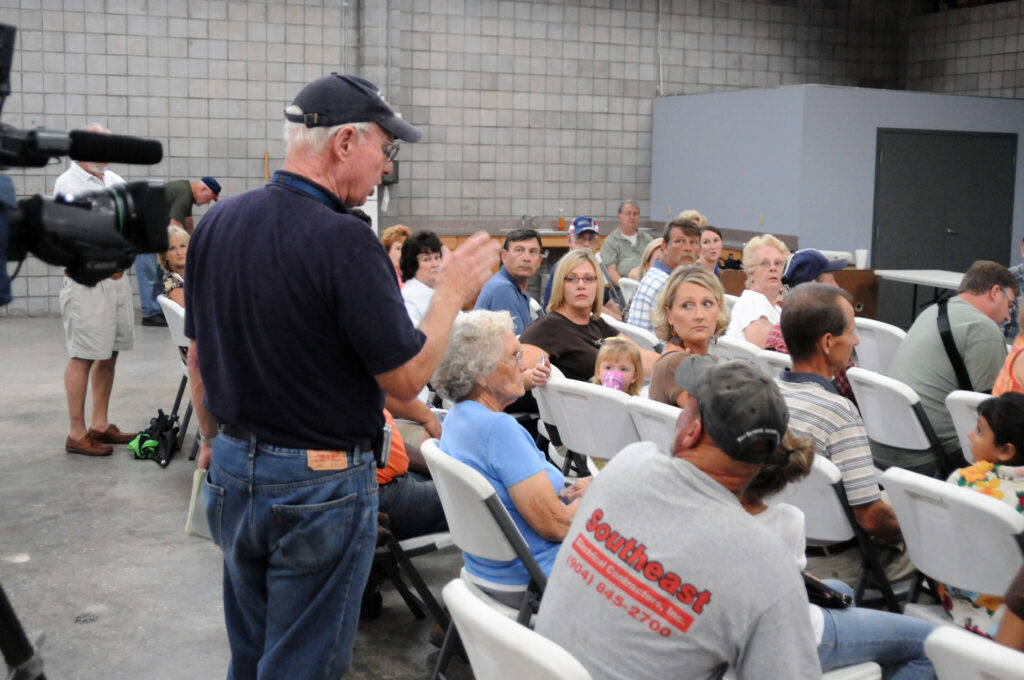
News accounts after the 2005 hurricane season drew attention to the need for a simple route to non-emergency assistance. This article examines the public-awareness question raised by that reporting and why a well-publicized referral line still depends on reliable local services.
The challenge after a major storm
Residents may receive conflicting names, numbers and addresses while trying to recover from a hurricane. Friends, social media and flyers can be useful but may not reflect current program hours or eligibility. Information-and-referral services aim to provide a more organized starting point for navigating that uncertainty.
Bibliographic material from the period cites a New York Times article by Stephanie Strom about increasing support for 211 call service after hurricanes. The corresponding 211us.org PDF appears to have preserved a news item, but the original file has not been retrieved.
Awareness is not the same as availability
If people know the number but the local center is overwhelmed, the experience can still be frustrating. Public messaging works best when paired with surge staffing, tested call routing and continuously updated resource information. Regions without local 2-1-1 operations may need different access arrangements.
The Congressional Research Service described the use of referral call centers after Katrina and the way non-emergency needs continued beyond the first phase of disaster response. Public attention to these needs was therefore part of a wider discussion about capacity.
Useful communication during recovery
Clear instructions should explain when to call 911, when community referrals are appropriate and how to confirm that an assistance program is accepting applications. Messages should be understandable in the languages a community uses, and accessible to people with disabilities.
Service directories can also help partner organizations communicate consistent advice. When a program changes its requirements, the update should reach operators and participating organizations quickly.
What readers can learn from old news coverage
Older reporting documents how a public service gained visibility. It should not be read as evidence that a particular hotline operates unchanged today or that all historic contacts remain accurate.
The practical lesson is that a widely shared number needs a dependable human network behind it. This new article describes that historical context without reproducing copyrighted newspaper reporting.
Further reading and sources
Explore related guides
After the storms. Disaster referral operations. You can also return to the 2-1-1 information homepage.