After the Storms: How 2-1-1 Supports Hurricane Recovery
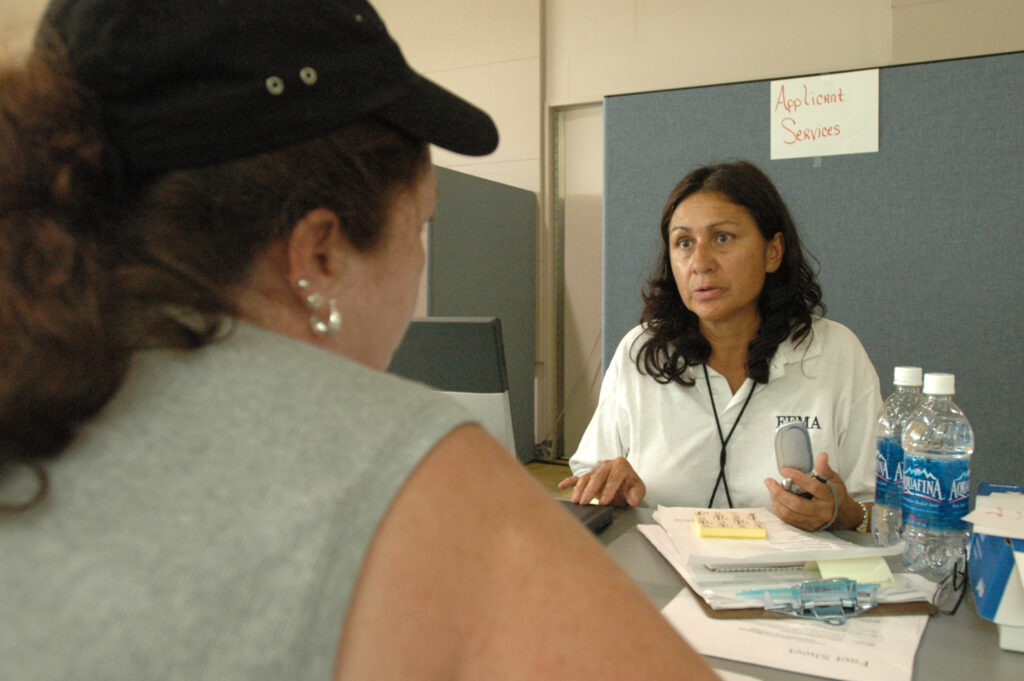
When a hurricane ends, the need for reliable information often continues for months. This article explores the roles of 2-1-1 following the 2005 storm season, drawing on public policy research about displaced families, changing needs and regional resource coordination.
Recovery continues after the immediate response
In the first days of a major hurricane, emergencies involve rescue, injuries, communications and shelter. In later weeks, practical questions can dominate: where to receive assistance, how to replace basic household necessities, where to find transportation and whom to contact for family or community services. A three-digit referral line can reduce the need for residents to search separate agencies individually.
The Congressional Research Service described the contribution of call centers after Hurricane Katrina and discussed how non-life-threatening requests could be directed to shelters and social services. Its account places the service alongside, rather than inside, frontline emergency response.
Displacement crosses service boundaries
People evacuated into another state may not know local eligibility rules or provider names. Host communities can experience increased requests for assistance even when they have not been physically damaged by the hurricane. Referral operators need to understand both the needs of newcomers and the limits of services in the receiving community.
Coordinated directories can help identify verified points of contact, while referral outcomes reveal which needs remain unresolved. Simply passing along a phone number is not always sufficient if the number is out of service, the program is full, or the caller cannot travel.
Data helps reveal unmet needs
A count of calls is only one measure of need. Operators may receive several inquiries from the same household, and one person may need housing, childcare and food assistance at the same time. Categorizing requests by type and location can help managers identify emerging pressure without pretending that call totals equal unique people.
Historical research on the 2005 hurricane season used 2-1-1 records to examine patterns of requests. Such work demonstrates the potential of referral data for planning while also requiring care with incomplete information and privacy.
How to use the lesson today
Community organizations can build surge procedures, designate contacts to confirm service availability and establish clear pathways for transferring calls when local capacity is overwhelmed. Agencies should also provide accessible information for callers with language or disability barriers.
Residents seeking assistance today should use the current local 2-1-1 system rather than rely on historical phone lists. The lesson from 2005 is the importance of a coordinated method, not the continuing validity of any particular old address or intake rule.
Further reading and sources
- Congressional Research Service, emergency call centers
- Current 2-1-1 network overview
- Research on referral outcomes
Explore related guides
2-1-1 during hurricanes and floods. California wildfire lessons. You can also return to the 2-1-1 information homepage.