2-1-1 and Federal Policy: What a 2010 Senate Briefing Was About
Policy discussions around 2010 considered how 2-1-1 could reach more people and support communities during emergencies. A Senate leave-behind document referenced at 211us.org provides one entry point into that period of advocacy and funding debate.
The context of a national three-digit service
The FCC assigned 211 nationally in 2000, but implementation depended on regional operators and local decisions. A national dialing code made it easier to explain the service, yet access remained uneven for some communities. Policymakers therefore faced questions about expansion, service quality and ongoing funding.
A later academic reference lists a 2010 Senate leave-behind document in a 211us.org documents directory. The citation confirms that advocacy material was circulated; its exact contents and legislative recommendations remain unverified without the original.
Emergency response changed the conversation
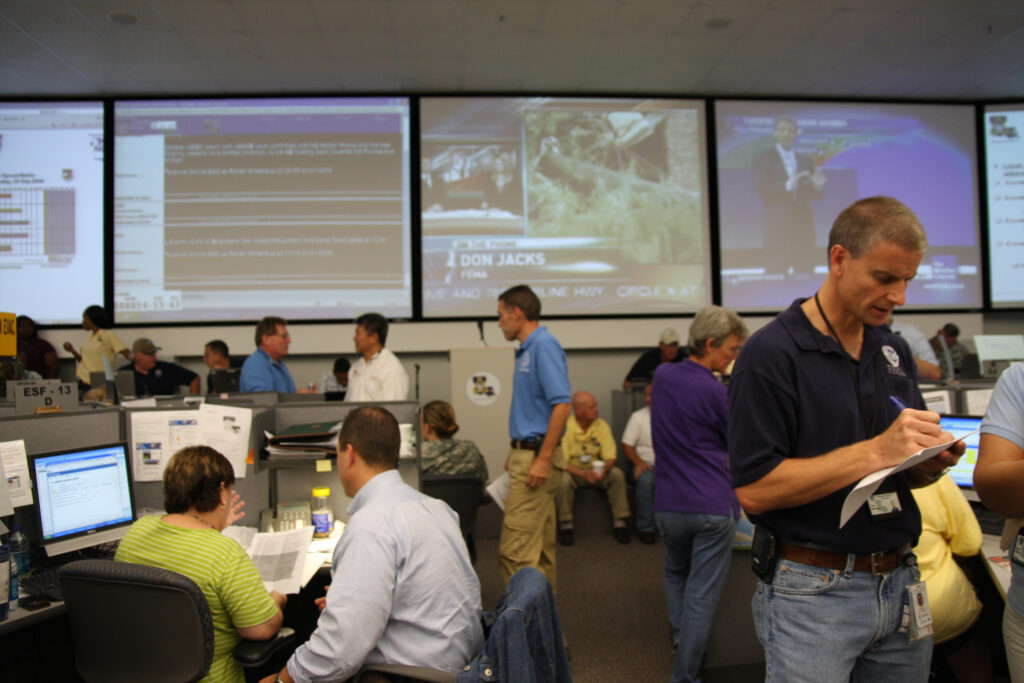
Following major hurricanes and wildfires, 2-1-1 centers helped connect residents to non-emergency services. Congressional analysis described the usefulness of trained operators for housing assistance, family support and other community needs after disasters. This broader role gave legislators another reason to consider how the network could be made more resilient.
At the same time, 211 should not be confused with 911. Emergency calls concerning immediate danger continue to belong with emergency services, while community referral lines provide a different type of access.
Policy choices behind implementation
Coverage can depend on funding, service boundaries, telecommunications access and organizational capacity. A plan to expand reach should identify who will answer calls, how training will be maintained and who verifies referrals in each area. Without those details, a proposed access expansion may fail to deliver the promised help.
Policymakers also need consistent reporting. A center’s request volume says something about demand but does not independently prove the same level of unmet need across every community.
How to read advocacy sources
A briefing memo may emphasize benefits or proposed legislation, while a regulatory record describes legal decisions and public consultation. Responsible interpretation compares different types of evidence rather than treating an advocacy document as an enacted law.
This article summarizes the documented policy context. It does not present any unverified Senate fact sheet as original source text.
Further reading and sources
- FCC 211 designation history
- CRS on legislation and 2-1-1 post-disaster response
- California emergency access decision
Explore related guides
National network planning. Coverage history. You can also return to the 2-1-1 information homepage.