What 2-1-1 Caller Needs Data Can Tell Communities: The 2009 Research Context
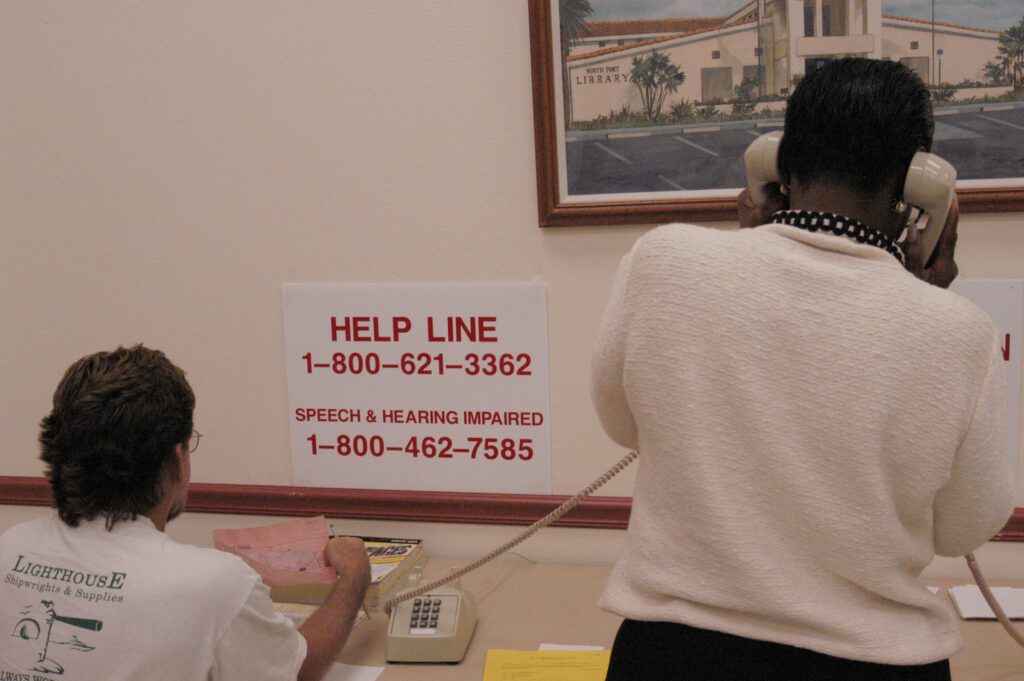
Call records can show which essential needs are repeatedly difficult to meet. The national 2-1-1 problem-and-needs reporting effort around 2009 illustrates how the service could inform researchers and community planners, provided the numbers are interpreted carefully.
From a caller question to a community signal
An information specialist may help someone find rent assistance, food, transport, childcare or medical guidance. Repeated requests for a category can suggest a supply problem, a geographic gap or a communication barrier. Those possibilities need investigation; the count alone does not establish why help was difficult to obtain.
Published research cites a 2009 national 2-1-1 problem-and-needs report prepared by United Way and the Alliance of Information and Referral Systems. Although the original file is not currently available here, its citation confirms that national-level collection and interpretation of needs data was part of the service’s research history.
What counts and categories mean
A call may include several separate needs. Some callers contact the line more than once. A recording method that treats every contact as a different person would overstate the number of affected individuals. Clear definitions, consistent categories and careful aggregation matter whenever call-center information is compared across time or regions.
A valid interpretation should distinguish service requests, referrals made, confirmed service receipt and unresolved needs. These describe related but different outcomes. Even well-coded data can miss people who cannot reach the hotline.
Why research partnerships matter
Researchers can compare the needs reported through 2-1-1 with other population and service indicators. A study of callers in several states examined cancer-control needs and willingness to receive referrals, illustrating how the network can offer opportunities for public health outreach. Such projects require safeguards to avoid interfering with ordinary service delivery.
Local program managers also benefit from clear reports that explain uncertainty rather than presenting every number as a precise measure of population prevalence. Trends may be useful even where the data cannot support a national estimate.
Using older reports responsibly
Historic need categories may remain recognizable, but the scale of demand and local program eligibility can change. Old tables are best used to understand how reporting developed, not to advise people where to seek help today.
Current inquiries should be directed to the live 2-1-1 network. For researchers, a useful next step is to compare documented methods, terminology, collection periods and geographic coverage before drawing conclusions from multiple reports.
Further reading and sources
- Peer-reviewed study citing the 2009 needs report
- United Way on changing community needs
- Study of 2-1-1 referral outcomes
Explore related guides
Why resource navigation matters. Building the network. You can also return to the 2-1-1 information homepage.