Why 2-1-1 Is a Critical Tool in Disaster Response
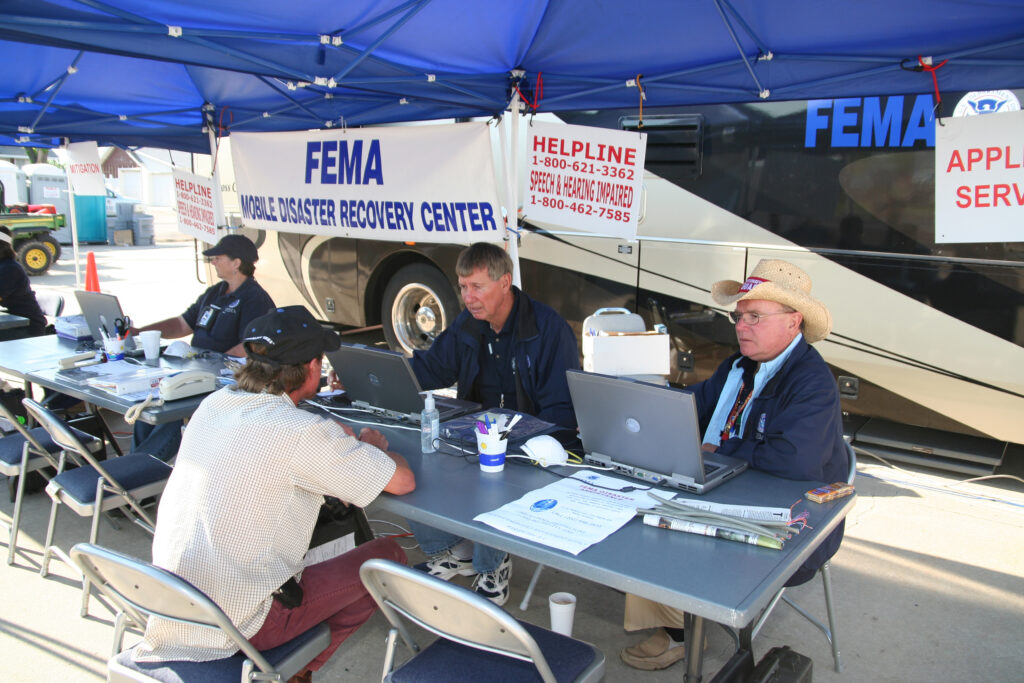
A disaster communication system must answer different kinds of questions. Emergency dispatch handles life-threatening situations; weather and emergency management agencies issue warnings and orders; human-services organizations help with the practical consequences of disruption. 2-1-1 information and referral services can provide a connection between people who have non-emergency needs and community providers that may be able to help.
Historical resource directories refer to a publication titled 2-1-1: A Critical Tool in Times of Disaster. That document’s original PDF has not been recovered for this website. The discussion below is an independently written explanation of the same broad subject, informed by public resources on 2-1-1 and disaster communications.
Different numbers serve different needs
In the United States, 9-1-1 is the number for immediate emergencies requiring police, fire, or medical response. The Federal Communications Commission designated 2-1-1 for community information and referral in 2000. The two services are complementary rather than interchangeable: a person trapped by floodwater needs emergency assistance, while a person looking for a local food distribution or recovery-support program may benefit from an information and referral specialist.
That distinction helps residents choose the right service and prevents the mistaken expectation that a 2-1-1 provider can dispatch rescue teams. For an introduction to the broader system, see the benefits of 2-1-1 and frequently asked questions.
Information changes quickly
After a disaster, a resource list can become outdated within hours. Hours of operation change, utility restoration takes time, and assistance centers may open or close as conditions evolve. An effective referral network therefore depends on more than a website: it needs procedures to receive updates from participating agencies, check eligibility information, and communicate limitations to callers.
Resource specialists can help people narrow the search. They may ask where assistance is needed, whether a person can travel, whether language access or disability accommodation is required, and which services have already been contacted. That information helps direct a question to a potentially suitable provider, without guaranteeing that the provider can accept a referral.
Five practical functions during response and recovery
- Resource navigation. Residents are connected to local programs for food, shelter, utilities, health, and other needs when those services are available.
- Clear separation from emergencies. People can be directed toward the appropriate type of assistance instead of treating every question as an emergency dispatch request.
- Support for vulnerable populations. Referrals can consider needs involving older adults, disabilities, transportation barriers, caregivers, and families with children.
- Community-provider coordination. Referral specialists may share updated service information received from local government and nonprofit partners.
- Longer-term recovery navigation. Households can be pointed toward housing assistance, emotional support, benefits guidance, and disaster case management after the initial response phase.
Why accurate referrals matter
A phone number by itself is often insufficient. A useful referral also explains which organization operates a program, where it serves people, when it is available, whether eligibility restrictions apply, and which channel should be used to confirm details. These small facts reduce unnecessary trips and repeat calls, especially for people with limited transportation or internet connectivity.
Good information also requires honest uncertainty. When availability has not been confirmed, a resource should be described as a possible option rather than a guaranteed service. When a community faces widespread damage, specialists need to acknowledge that some services may be limited or temporarily unavailable.
What community organizations can do
Service providers can improve referral quality by sharing clear operating hours, contact information, service areas, language options, accessibility details, and changes to eligibility. Emergency management teams can publish official notices through their own channels while coordinating with information and referral partners to keep non-emergency resource information as accurate as possible.
Communities also benefit from rehearsing these relationships before a disaster. Coordination built during ordinary times can make it easier to share updated information during unusually high call volumes and prolonged recovery.
Where residents can start
Dial 2-1-1 where locally available, or consult 211.org for current local resource information. For immediate danger, call 9-1-1. For recovery planning, also see our guides to hurricane and flood support and common community-service needs. Return to the 2-1-1 US homepage for the resource overview.
Sources and further reading
- FCC: Third Report and Order (2000) concerning N11 dialing codes.
- 211.org: Disaster Recovery.
- United Way Worldwide: 211 and Local Resources.