How Interactive Games Help Communities Prepare for Emergencies
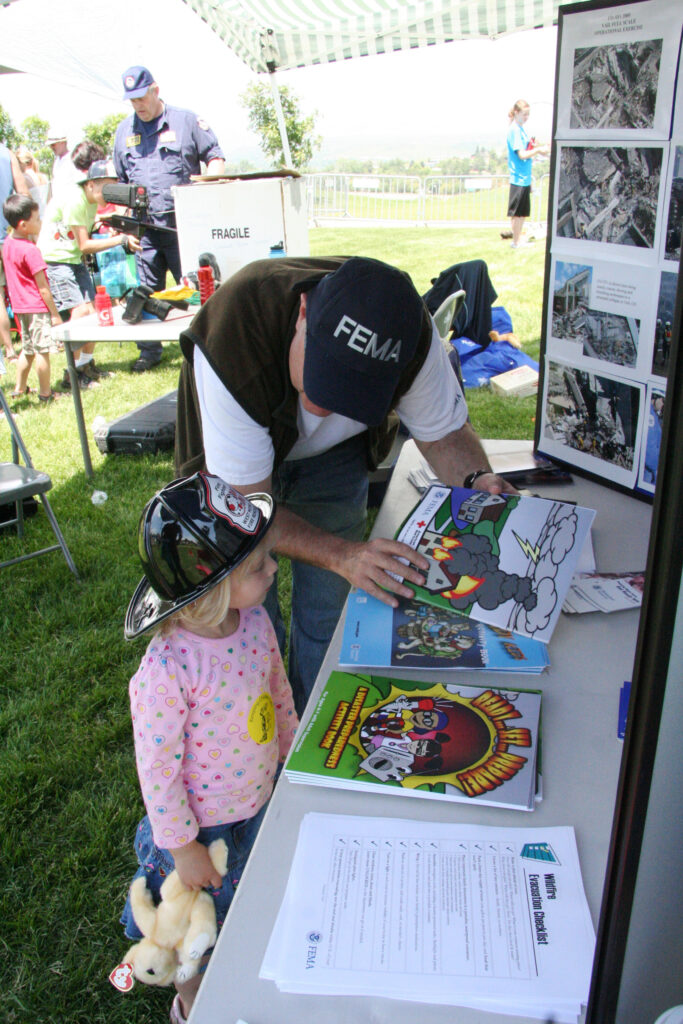
Emergency readiness is often presented as a list of supplies, phone numbers, and evacuation routes. Those tools are essential, but a plan becomes more useful when people have practiced making decisions. Educational games, tabletop scenarios and small group activities offer low-pressure ways to discuss what a household or neighborhood would do before an actual emergency occurs. The goal is not to turn a dangerous event into entertainment. It is to make reliable guidance easier to understand and remember.
Why Interactive Practice Complements a Written Plan
Consider a severe storm that interrupts mobile service while relatives are at different locations. A family may already have an emergency contact sheet, yet still need to decide who checks on an older neighbor, how children reach a trusted adult, and what happens if the usual meeting place is inaccessible. Working through these questions as a group can reveal gaps before they matter.
Well-designed interactive learning experiences help participants notice trade-offs, practice asking questions, and revisit assumptions. They should always be checked against advice from local emergency management agencies. A game is an introduction to preparedness, not a source of real-time instructions.
Activities That Can Work for Different Ages
FEMA and the American Red Cross developed Prepare with Pedro materials for children, including a game that introduces emergency readiness through age-appropriate activities. The underlying idea is straightforward: learners can engage with a scenario, talk about their choices and connect those choices to practical steps.
- Family scenario cards: describe a power outage, temporary evacuation, or interrupted school pickup and invite each person to explain their role.
- Tabletop exercises: community volunteers work through a hypothetical flood or heat emergency and compare plans.
- Matching and sorting tasks: participants identify items for emergency kits and discuss the reasons for their choices.
- Accessible discussion activities: printed prompts can replace screens where internet access, language or vision is a barrier.
A good facilitator makes it clear when an answer needs local verification. In areas with different hazards, the activity should reflect local risks instead of generic dramatic scenarios.
Connecting the Exercise to Real Sources of Help
Preparedness planning continues after the immediate hazard. Families may need shelter information, meals, medical care, transportation or replacement documents. Community referral services can make it easier to identify where those resources are available. The guide information and referral in disaster response explains the value of coordinating resource information after a disruptive event.
Historical disasters illustrate why this matters. The Hurricane Sandy community information page discusses the types of service needs people may face when regular systems are disrupted. Educational exercises can include the question: which verified source will we use when we need more than emergency warnings?
An Example of a 20-Minute Household Activity
Select one plausible local hazard. Ask everyone to identify a first action, an alternative contact method, a safe destination if travel is required, and the supplies they would need. Compare the answers with your local emergency plan. Update the plan wherever answers differ.
Finish by discussing what is not covered by a game: changing hazard forecasts, live shelter openings, and emergency orders. A trusted local authority is the right source for those details. The hurricane and flood support guide provides related context about community needs after severe weather.
What This Means for Local Communities
Interactive preparedness is valuable when it creates clearer communication, realistic planning and better awareness of public resources. Used responsibly, simple games and exercises can help families and organizations build confidence without overstating what simulated practice can accomplish.
For local assistance in the United States, check your current community referral options through United Way 211. In emergencies, contact the appropriate emergency service rather than relying on an informational website.
Return to the 2-1-1 US community information homepage for more guides about public resources and local services.