How 2-1-1 Supports Communities During Hurricanes and Floods
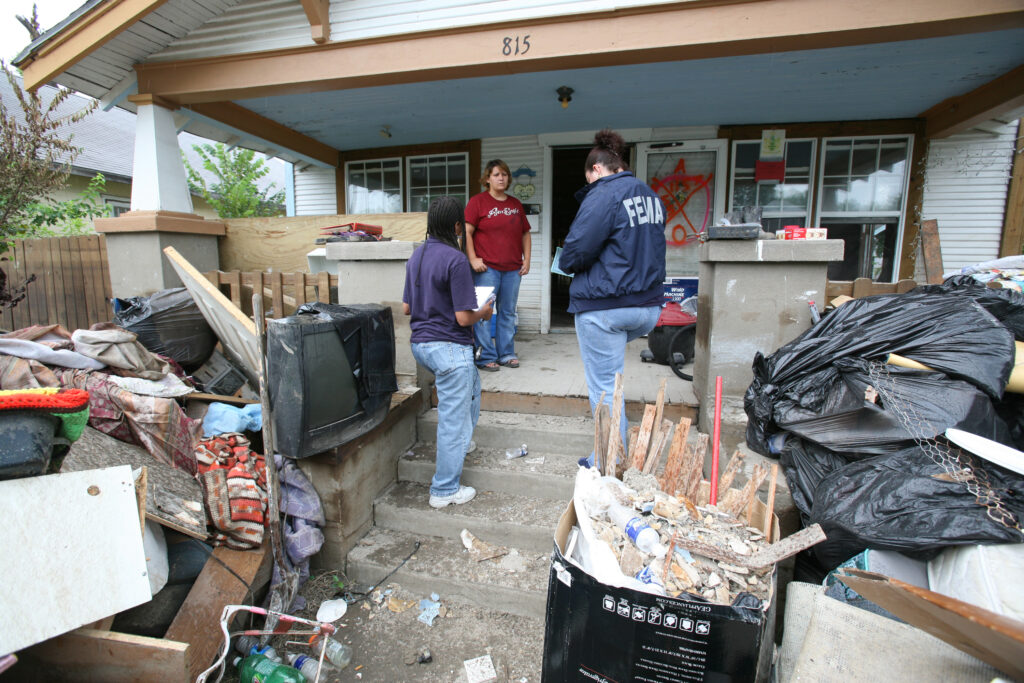
When a hurricane makes landfall or a river rises, people need more than a forecast. They need to know where to find safe shelter, how to replace essential supplies, which roads or services are affected, and whom to contact as recovery continues. Community information and referral systems such as 2-1-1 can help residents navigate those non-emergency questions while emergency responders concentrate on immediate threats to life and safety.
The role of 2-1-1 during major storms has a documented history. A Congressional Research Service discussion of emergency communications cites a United Way publication titled Trial by Wind and Water: How 2-1-1 Played a Vital Role During the 2004 Florida Hurricanes. The original report is not reproduced here; this article independently explains the kind of support that information and referral networks can provide.
Before a storm: turning general advice into local next steps
Preparedness begins with practical questions. A resident may know that a hurricane is approaching but not know which neighborhood programs provide transportation for people with disabilities or where to find accessible preparedness information. Local resource specialists can connect people to participating agencies rather than requiring every household to work through a long list of unrelated phone numbers.
For instance, a caller might need help locating an accessible evacuation resource, identifying an existing food pantry, or understanding how to ask about medication continuity. Available referrals differ by region and conditions. Residents should follow their emergency management agency’s current evacuation orders and official safety instructions; 2-1-1 does not replace 9-1-1 or an emergency alert system.
During an emergency: finding the right kind of assistance
In an active disaster, local needs can change rapidly. Temporary shelters fill, transportation routes shift, and an ordinary social-service office may be closed. Information and referral services are useful when they can direct a person to a locally maintained resource list and explain how to contact the organization that actually delivers the assistance.
- Food and water: help locating community distributions or food-assistance programs, when participating organizations publish current information.
- Temporary shelter: referrals to established emergency-shelter systems and local housing-assistance services.
- Transportation: information about accessible travel options or local transportation programs, subject to conditions.
- Health and medication needs: connections to clinics, pharmacies, public-health lines, and appropriate medical services.
- Family support: referrals to child and older-adult services, disability supports, and community organizations.
A 2-1-1 specialist generally helps a caller identify and reach an appropriate provider; that is different from promising a particular benefit, shelter place, or delivery.
After floodwaters recede: recovery lasts longer than the storm
Recovery often involves a sequence of needs rather than a single request. A family might first need clean drinking water, then temporary lodging, then assistance understanding applications for financial aid or arranging repairs. Information and referral networks can help connect those stages by directing people to programs for housing, benefits screening, disaster case management, emotional support, and rebuilding guidance.
When a disaster receives an official federal declaration, some households may be eligible to apply for FEMA assistance. Eligibility and program rules depend on the particular declaration and individual circumstances. Applicants should verify requirements through official FEMA channels rather than relying solely on general summaries.
What the 2004 Florida hurricanes illustrate
The 2004 Florida hurricane season remains a useful historical example of repeated storms placing pressure on community information systems. Its significance is not that every modern program operates the same way today, but that residents needed clear routes to local help across overlapping recovery periods. Contemporary disaster planning still benefits from reliable referrals, partnerships between agencies, and updated community resource records.
For related reading, see our page on Hurricane Sandy and community information and our explanation of why 2-1-1 can support disaster response. You can also return to the 2-1-1 US resource library.
Practical steps for residents
- For immediate danger, call 9-1-1 and follow official evacuation directions.
- For non-emergency local service information, dial 2-1-1 where available or visit the national 211 directory.
- Write down the service provider’s name, address, eligibility rules, and the date information was supplied.
- Confirm availability with the provider before traveling or assuming an appointment is secured.
Sources and further reading
- Congressional Research Service: Emergency Communications (historic reference to the 2004 Florida hurricane report).
- 211.org: Disaster Recovery (current public guidance).
- United Way Worldwide: Disaster Relief.